Stop Reactive Hiring Before It Starts
This article was originally published on The Customer Success Talent Playbook’s blog.
At Melo Associates, we help companies think through hiring decisions before a search ever begins.
One of the biggest patterns we continue to see is reactive hiring.
A leader leaves unexpectedly. Growth accelerates. Teams feel stretched. Customers need support. Revenue pressure increases. Suddenly, the focus becomes filling the seat as quickly as possible.
But moving fast, without enough clarity, often creates larger problems later.
Reactive hiring can lead to:
-
Misaligned expectations
-
Long interview processes
-
Internal talent being overlooked
-
Weak candidate evaluation
-
Higher turnover
-
Lost momentum across the business
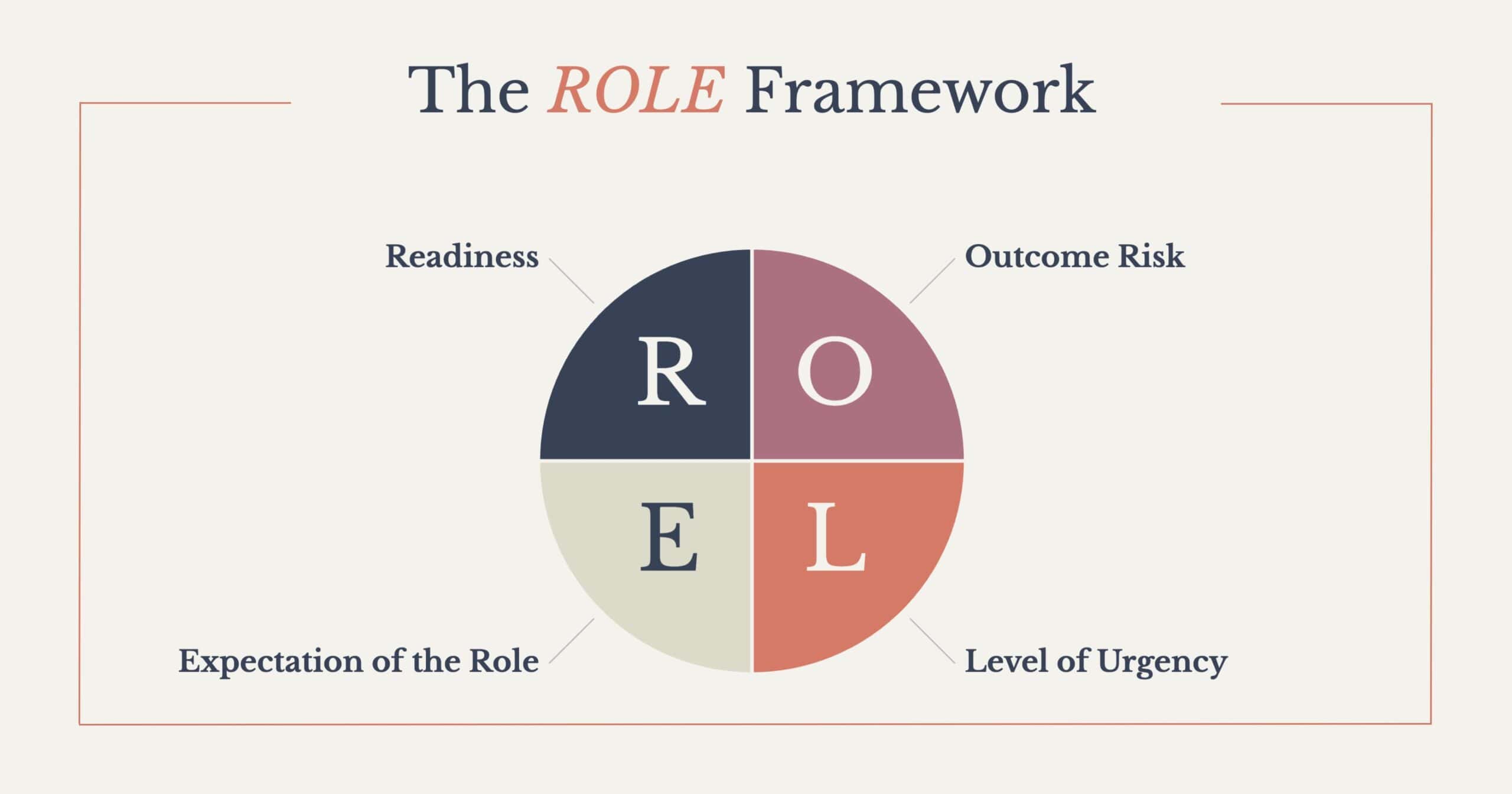
That is why Melo Associates developed the ROLE Framework.
The ROLE Framework helps leaders evaluate whether they should promote internally, redesign responsibilities, or hire externally before launching a search.
A better place to start is with sharper questions.
The right questions create more clarity before the next move is made, which leads to stronger hiring decisions and better long term outcomes.
R — Readiness
Do you have the internal readiness to promote, or is external hiring necessary?
Many organizations immediately default to external hiring without fully evaluating the talent already inside the business.
Before opening a search, leaders should ask:
-
Is there internal talent that could step into this role?
-
Can someone internally grow into the role quickly enough?
-
Does the business need capabilities that only an external hire can bring?
Sometimes the right answer is external hiring. Other times, the strongest move is creating growth opportunities internally.
Evaluating readiness upfront helps organizations balance internal mobility with the need for external expertise.
O — Outcome Risk
What is the business impact of getting this role wrong?
Not every role carries the same level of risk.
Some positions directly impact:
-
Revenue retention
-
Customer relationships
-
Operational execution
-
Team performance
-
Executive bandwidth
Leaders should ask:
-
What business outcomes does this role directly impact?
-
What happens if the role stays open too long?
-
How costly would a poor hire or promotion be?
Understanding the true impact of the role helps determine how much rigor, urgency, and investment should go into the hiring process.
A rushed decision in a high impact role is reactive hiring and can create far greater costs later.
L — Level of Urgency
How quickly does this role need to be filled?
Urgency matters, but urgency without clarity often creates significant problems, and gaps, later.
Before moving too quickly, leaders should ask:
-
Is this role tied to a critical business priority?
-
Can the work be covered temporarily without major disruption?
-
Would interim or fractional support solve the short term need?
Sometimes the business genuinely needs immediate support. Other times, the pressure is temporary and can be managed without rushing into a permanent hire.
This step helps organizations distinguish between true urgency and reactive hiring pressure.
E — Expectation of the Role
What does the business truly need from this role today?
One of the biggest hiring mistakes companies make is hiring against outdated expectations.
Roles evolve quickly. Teams evolve. Technology evolves. Business priorities shift.
Leaders should ask:
-
What outcomes should this role drive?
-
What skills are truly required versus preferred?
-
Does the business need a builder, operator, strategist, or scale leader?
The clearer the expectations are upfront, the stronger the alignment becomes between hiring managers, recruiters, interview teams, and candidates.
Clarity creates better hiring outcomes.
At Melo Associates, we believe the best hiring strategies do not start with posting a job description. They start with understanding what the business actually needs.
The ROLE Framework was designed to help companies create stronger alignment before the search begins, reduce reactive hiring, and make more intentional talent decisions that support long term growth.
If you want to evaluate how your organization approaches hiring, interview process design, internal mobility, and talent strategy, explore our services, have a conversation or feel free to explore the “How Holistic is Your Hiring?” assessment.
What is reactive hiring?
Reactive hiring is rushing to fill a seat under pressure, such as after an unexpected departure or sudden growth, without enough clarity about what the business actually needs. It commonly leads to misaligned expectations, overlooked internal talent, weak candidate evaluation, higher turnover, and lost momentum.
What is reactive hiring?
Reactive hiring is rushing to fill a seat under pressure, such as after an unexpected departure or sudden growth, without enough clarity about what the business actually needs. It commonly leads to misaligned expectations, overlooked internal talent, weak candidate evaluation, higher turnover, and lost momentum.
What is the ROLE Framework?
The ROLE Framework is Melo Associates’ tool for evaluating a hire before launching a search. It stands for Readiness (can you promote internally or is external hiring necessary), Outcome Risk (what is the business impact of getting the role wrong), Level of Urgency (how quickly must it be filled with a full time hire, or would interim or fractional support the need), and Expectation of the Role (what does the business truly need today).
How can companies avoid reactive hiring?
The best hiring strategies start with sharper questions before a job posting. Before going to market, leaders should assess internal readiness, the true cost of a mis-hire, whether the urgency is real or temporary, and the actual outcomes the role must drive. That clarity creates stronger alignment between hiring managers, recruiters, interviewers, and candidates.